

In today’s fast-paced world, advertising plays a crucial role in connecting brands with people. However, the traditional way of promoting through roadside banners and posters has raised serious environmental and aesthetic concerns. While these methods once dominated outdoor advertising, their impact on nature, urban beauty, and sustainability cannot be overlooked. It is high time we reconsider how we advertise and move towards cleaner, smarter alternatives like Digital Out-of-Home (DOOH) boards.
The Environmental Impact of Roadside Banners
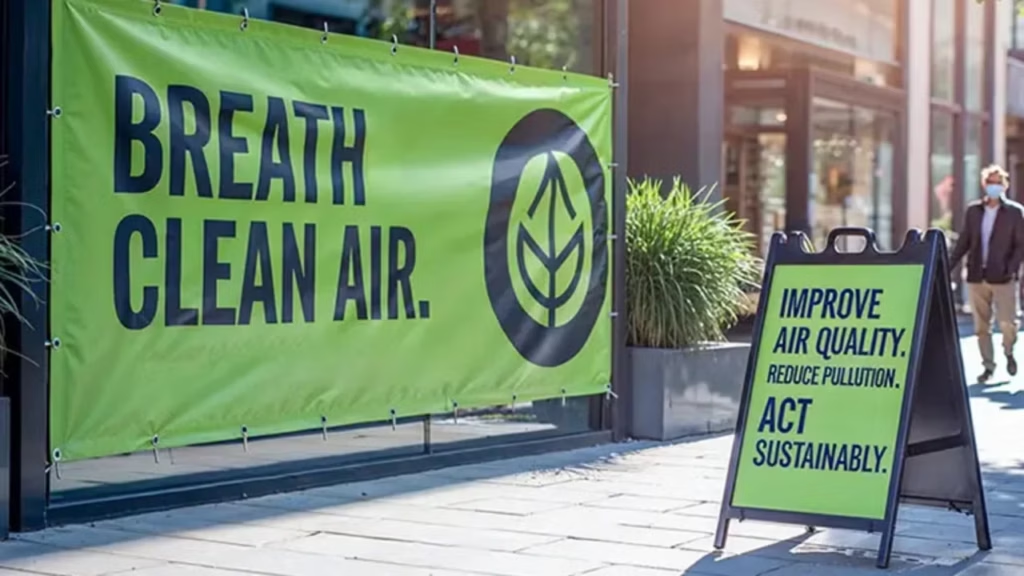
Roadside posters and flex banners may seem harmless, but they carry hidden dangers. Most of these banners are made from plastic-based materials such as PVC flex, which are not biodegradable. After use, they often end up in landfills or are burned, releasing harmful toxins into the environment. This leads to:
- Air pollution from burning plastics.
- Soil degradation occurs as non-biodegradable waste seeps into the ground.
- Water pollution occurs when discarded banners are washed into rivers and drains.
Additionally, the process of producing these banners consumes huge amounts of paper, ink, and synthetic materials, which ultimately strains natural resources. Trees are cut for paper-based posters, and chemical-heavy printing worsens the ecological footprint.
Destroying the Aesthetic of Cities
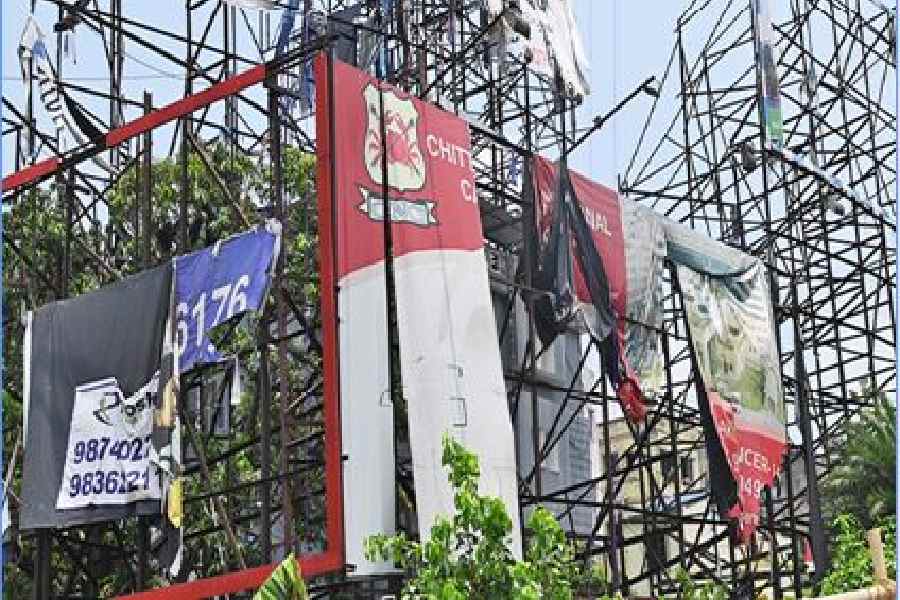
Beyond environmental harm, banners and posters also spoil the beauty of cityscapes. Roads, flyovers, and electric poles cluttered with poorly maintained posters give cities a messy and disorganized look. Torn and faded banners hanging on the streets are not only unpleasant to the eye but also create safety hazards during storms or strong winds. Instead of modern, vibrant cities, this practice leaves an impression of chaos and neglect.
Why Digital Boards Are the Future
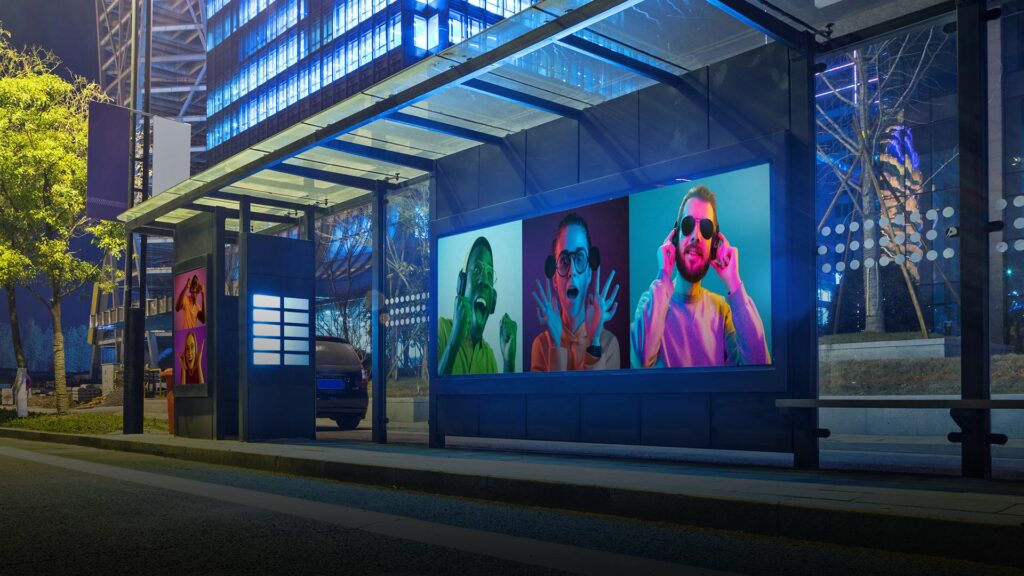
Digital boards and DOOH (Digital Out-of-Home) advertising provide a smart and eco-friendly alternative. Unlike paper or plastic banners, digital screens don’t require continuous printing, pasting, and disposal. They can display multiple advertisements on the same screen, drastically reducing material waste drastically.
Shifting to digital advertising offers several benefits:
- Cleaner environment – no paper or plastic waste.
- Resource efficiency – saves trees, ink, and energy used in printing.
- Modern aesthetics – bright, sharp digital displays enhance the city’s look.
- Flexibility – ads can be changed instantly without reprinting.
Pros and Cons of Outdoor Advertising
Traditional Outdoor Advertising (Banners & Posters)
Pros:
- Low cost of production.
- Easy to place in local areas.
- Good for short-term campaigns.
Cons:
- Non-biodegradable materials harm the environment.
- Limited reach and visibility.
- Clutters and spoils city beauty.
- Requires constant replacement, increasing costs in the long run.
Digital Out-of-Home Advertising (DOOH)
Pros:
- Eco-friendly with zero material waste.
- Attractive, dynamic, and modern displays.
- Can run multiple ads at once.
- Highly visible, even at night.
- Remote management saves time and effort.
Cons:
- Higher initial setup cost.
- Requires electricity and technical maintenance.
- May not be accessible in very remote areas.
As cities evolve into smarter and greener spaces, our advertising methods should follow the same path. Roadside banners and posters may be cheap, but they are environmentally damaging and visually unappealing. The future lies in embracing digital boards and DOOH advertising that keep cities clean, modern, and resource-friendly. By making this shift, we not only promote brands effectively but also take a responsible step towards preserving nature and building sustainable urban life.

